Main Blogs

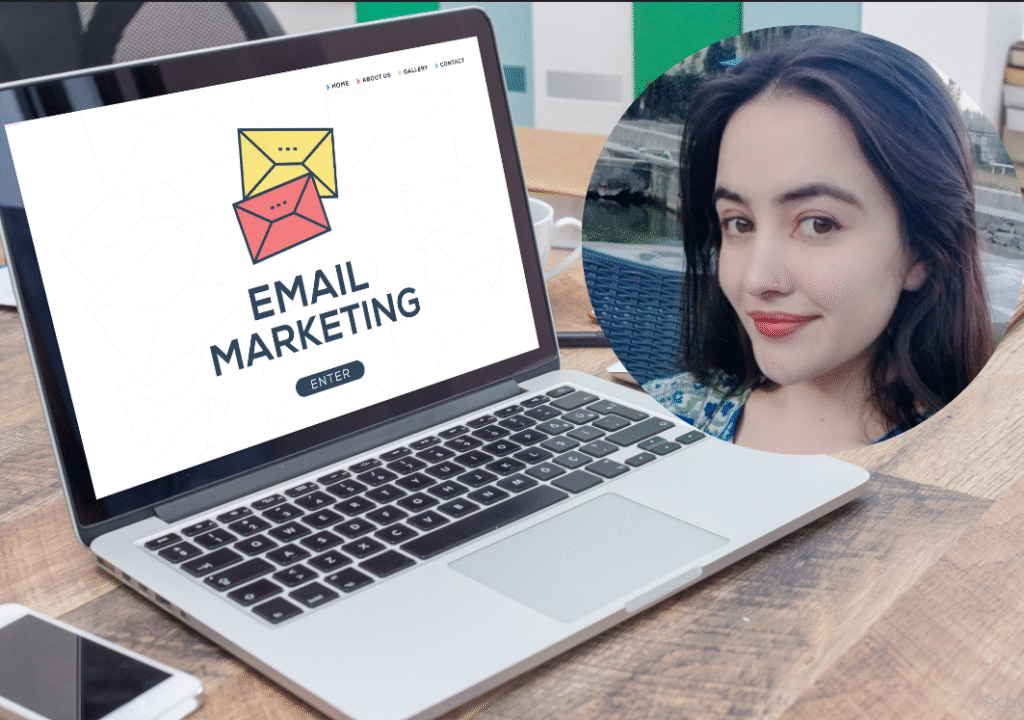
Email Marketing

Inbox Intelligence: Why Email Marketing Is Having Its Biggest Glow-Up Yet

Inbox Intelligence: Why Email Marketing Is Having Its Biggest Glow-Up Yet Read More »

By: Rahima Didar Let’s cut to the chase: If you’re running a business in 2025 and still treating email like it’s 2015, you’re missing the mark. Here’s a stat that should wake up any business owner: Email marketing delivers an average ROI of $42 for every $1 spent, according to Litmus’ 2024 State of Email Report. That’s not only higher than most digital marketing channels—it’s smarter, more direct, and more personal. And the inbox isn’t just alive—it’s getting smarter. Whether you’re running a local gym, scaling an ecommerce brand, or consulting on strategy—need to understand one thing: The inbox is where loyalty is built, conversions happen, and real relationships are nurtured. But here’s the kicker…    Apple is hiding open rates.    AI is rewriting what “automation” really means.    Consumers are demanding more personalization, more relevance, and more transparency than ever. If you’re still blasting out generic newsletters and hoping for clicks, you’re essentially leaving money on the table—and trust in the trash. This blog will walk you through the top email marketing trends every serious business owner should watch. These aren’t fads—they’re the future. And adopting them now could be the difference between staying ahead or becoming invisible. Whether you’re a marketer, an entrepreneur, or a dad balancing spreadsheets with soccer practice, this guide is your blueprint for email success in 2025. AI and Machine Learning Are Taking Over the Inbox Artificial Intelligence isn’t just for tech geeks anymore—it’s the secret weapon of high-performing email marketers. With AI, you can:    Predict customer behavior    Personalize emails based on browsing or purchase history    Automate A/B testing to find the best subject lines, content, or timing Platforms like Klaviyo, Mailchimp, and ActiveCampaign now include AI tools that help businesses send smarter emails without manually combing through data. Klaviyo’s predictive analytics can forecast when a customer is likely to make their next purchase. This means less guesswork, more revenue—and more time for you to focus on growth instead of micromanaging campaigns. Hyper-Personalization: Beyond “Hey [First Name]” Let’s be honest—everyone knows the name-in-the-subject-line trick. In 2025, personalization goes way deeper. Think:    Product recommendations based on past orders    Content blocks that change based on user interests    Custom send times based on when the user is most active Research from Segment shows that 71% of consumers feel frustrated when their experience isn’t personalized. That means if your emails still feel generic, you’re probably missing out on conversions. Use behavioral data, location, device, or even loyalty tier to tailor your emails like a bespoke suit. The goal? Make every subscriber feel like you wrote that message just for him. Interactive Emails That Boost Engagement Email is no longer just a static scroll. Modern emails can include:    Carousels    Polls and quizzes    Product sliders    Countdown timers    Live updates (like inventory or pricing) This trend is driven by technologies like AMP for Email, which makes it possible for subscribers to interact without leaving their inbox. Why should you care? Interactive emails can increase click-through rates by up to 300%, according to Campaign Monitor. That’s more engagement without adding friction. Especially for ecommerce and service businesses run by men who want to keep customers active without extra noise—this is a game changer. Mobile-First Is No Longer Optional More than 60% of all email opens happen on mobile devices, according to HubSpot. If your emails aren’t optimized for mobile, you’re not just behind—you’re invisible. Mobile-first doesn’t just mean “it looks okay on a phone.” It means:    Responsive design    Large, clickable buttons    Short subject lines    Concise, scannable content For the busy dad checking emails on his phone during his kid’s soccer game—or the entrepreneur reading between meetings—your message needs to get across fast and clearly. Privacy-First Marketing Is Reshaping Metrics Thanks to Apple Mail Privacy Protection (MPP) and new regulations like GDPR and CCPA, traditional metrics like open rates are less reliable than ever. In fact, Litmus reports that over 50% of email opens are now obscured by Apple MPP, which makes it nearly impossible to know who truly opened your emails. What to do instead:    Focus on click-through rate (CTR) and conversion rate    Segment based on engagement history    Gather zero-party data (preferences users willingly share) Transparency and consent are now part of the brand experience. Respect your readers’ data, and they’ll respect your brand. Email Accessibility Is the New Standard Accessibility isn’t just about checking boxes—it’s about respecting every reader. That means:    Proper font sizes and color contrast    Alt text for images    Logical heading structure    Avoiding long walls of text With over 1 billion people globally living with a disability, accessible design is not only ethical—it’s smart business. Plus, tools like Litmus and Email on Acid make it easier than ever to test your emails for accessibility. If your business markets to men over 40 (a demographic where visual impairments increase), this trend is a must-watch. User-Generated Content (UGC) for Social Proof Want to build trust fast? Let your customers do the talking. User-generated content—like reviews, photos, or video testimonials—can add authenticity to your emails. According to Nielsen, 92% of consumers trust user recommendations more than brand advertising. Ideas to try:    “Review of the Month” highlights    Customer photo gallery    Short quotes or before-and-after shots This is particularly powerful in niches like fitness, grooming, fashion, or tech—where men rely on visual proof and peer recommendations before purchasing. Omnichannel Integration: Email as the Hub Email isn’t a silo—it’s the central nervous system of your marketing strategy. In 2025, businesses will increasingly use email in tandem with:    SMS    Social media    Web push notifications    Live chat Platforms like Klaviyo and Omnisend are designed to unify your messaging across channels. That means consistent messaging, better data tracking, and more touchpoints with your audience—without overwhelming them. For men managing growing brands or ecommerce stores, this creates a smoother, more strategic marketing flow. Automated & Behavior-Based Workflows Automation is the gift that keeps on giving—especially when it’s powered by behavior. Examples:    Abandoned cart recovery    Welcome series    Post-purchase feedback requests    Re-engagement sequences A study by GetResponse found that automated emails get

Main Blogs
Content Marketing vs. Paid Ads: What Works Best for Startups?

Content Marketing vs. Paid Ads: What Works Best for Startups?

Content Marketing vs. Paid Ads: What Works Best for Startups? Read More »

By: Reena Karim According to a 2024 HubSpot report, 70% of companies actively invest in content marketing, while 68% leverage paid advertising. Startups must weigh their limited resources and high ambitions carefully to choose a strategy that drives meaningful results. For modern startup founders — balancing business, family, and personal brand building — this decision goes beyond clicks and conversions. It touches on how you want to be perceived, how you want to grow, and what kind of company you’re building for the long term. Choosing the right path can make the difference between steady traction and expensive dead ends. This blog unpacks the pros, cons, and best use cases of both content marketing and paid ads. You’ll also learn how to track the right metrics, when to mix both methods, and how male startup founders can personalize their approach for maximum impact. Whether you’re running lean or ready to invest, by the end of this read, you’ll know exactly what fits your startup in 2025. What Is Content Marketing? Before diving into comparison, it’s important to clearly define what content marketing is and why it matters. This strategy is often misunderstood as “just blogging,” but it’s much broader—and potentially far more powerful. Content marketing is all about creating and distributing valuable, relevant content to attract and engage a target audience. For startups, this usually includes blog posts, YouTube videos, podcasts, email newsletters, social media posts, and SEO-focused content that drives long-term traffic. Rather than shouting for attention, content marketing earns it by offering solutions, advice, or insights that resonate with your ideal customers. It’s especially powerful for men who are building a personal brand alongside their business. When done right, content builds trust, authority, and an emotional connection with your audience. It’s a long-term game, but it delivers compounding value if you stick with it. What Is Paid Advertising? Now let’s look at the other side of the coin—paid advertising. This approach delivers speed and scale, but it comes with its own set of rules and risks. Paid advertising is a fast-track approach to gaining visibility and leads by paying to place your message in front of a targeted audience. This includes PPC (pay-per-click), display ads, paid social media promotions, YouTube ads, retargeting, and native ads. If content marketing is like building a house brick by brick, paid advertising is like renting a penthouse with the view you want—instantly. But once you stop paying, the view disappears. For startups with short-term goals like product launches, seasonal campaigns, or rapid lead generation, paid ads offer measurable ROI, precise targeting, and scalability. However, it does require ongoing budget allocation and optimization skills. Pros and Cons of Content Marketing Let’s break down the strengths and weaknesses of content marketing. It’s essential to understand where it excels and where it might fall short, especially when budgets and time are limited. Pros: Builds Long-Term Organic TrafficContent that ranks on search engines can drive traffic for months or even years. Positions You as a Thought LeaderCreating insightful content gives your brand credibility and trust. Cost-Effective Over TimeOnce content is created and optimized, it keeps working without additional cost. Supports SEO and Social SharingGreat content earns backlinks and shares, boosting visibility organically. Cons: Takes Time to See ResultsYou may need months before content starts driving significant traffic. Requires Content Creation SkillsFrom writing and editing to design and promotion—content creation isn’t easy. Hard to Scale FastYou can’t just “turn up” organic traffic overnight. Results Can Be InconsistentNot every blog or video will be a hit, so testing is key. Pros and Cons of Paid Advertising Paid advertising delivers immediate results—but that speed comes at a price. Let’s explore the pros and cons to see if it aligns with your startup’s growth strategy. Pros: Quick Exposure and Fast ResultsYour product or service gets visibility instantly. Highly Targeted ReachYou can filter your audience by location, age, behavior, interests, and more. Easy to Measure and OptimizePlatforms like Google and Facebook Ads offer real-time analytics. ScalableIncrease your ad spend and potentially multiply your results. Cons: Can Be ExpensiveEspecially in competitive niches where CPCs are high. Requires Ongoing InvestmentWhen the ads stop, so does the traffic. Needs ExpertisePoorly targeted or written ads waste money. Can Feel Less AuthenticPeople often skip or ignore ads—especially those that are overly salesy. Comparing Content Marketing and Paid Ads Side-by-Side This section lays out a direct comparison to help you visualize how both strategies perform in key areas like cost, timeline, and trust. Think of it as your decision-making cheat sheet. Cost and Budget Management Content requires more time investment upfront, while paid ads require a cash flow to sustain. Content is cheaper in the long run; ads deliver faster short-term ROI. Timeline and ROI Content may take 3–6 months to gain traction, but its ROI grows over time. Paid ads can show results in days or weeks, but ROI stops when you pause spending. Target Audience Engagement Content builds trust and ongoing relationships. Paid ads catch people at a moment in time but don’t always lead to long-term engagement. Scalability Paid ads are easier to scale by increasing spend. Content scales more slowly but can compound exponentially. Trust and Credibility Content feels more authentic. Readers choose to consume it. Ads are often seen as interruptions. Performance Tracking Both are measurable, but paid advertising offers more instant, detailed metrics. Use Case Scenarios: When to Choose Each Strategy Still unsure? Let’s look at real-world scenarios where content or paid ads shine. This helps align strategy with your startup’s phase and goals. When to Choose Content Marketing You’re building a brand from scratch You want to educate your audience You sell complex or high-ticket products You’re time-rich but cash-strapped You want to grow organically and sustainably When to Choose Paid Advertising You’re launching a new product You need leads quickly You’re validating a business idea You have a decent marketing budget You’re testing different audiences and offers Hybrid Approach: Best of Both Worlds Here’s the sweet spot: blending

Main Blogs
Remote professional working from home on a laptop as a virtual assistant for a small business

The Growing Importance of Virtual Assistants for Small Businesses

The Growing Importance of Virtual Assistants for Small Businesses Read More »

By: Rahima Didar If you’re a small business owner, chances are you’ve worn more hats than you ever imagined. CEO one minute, customer service the next, followed by bookkeeping, email follow-ups, and the endless grind of social media updates. For many entrepreneurs running lean startups, side hustles, or small local businesses, the pressure to “do it all” is not just overwhelming—it’s unsustainable. According to a 2023 report by the US National Small Business Association, over 41% of small business owners work more than 50 hours a week, and nearly 20% clock over 60 hours. The result? Burnout, stalled growth, and personal lives that suffer. And for men, who are often expected to be providers, problem-solvers, and leaders, the weight can be even heavier. Enter the Virtual Assistant (VA): not a luxury or a trendy buzzword, but a practical, cost-effective lifeline. In today’s fast-paced, digital-first world, VAs are revolutionizing how small businesses operate—and for male entrepreneurs, they might just be the secret weapon you didn’t know you needed. What Is a Virtual Assistant (VA)? At its core, a Virtual Assistant is a remote professional who provides administrative, creative, technical, or support services to businesses, usually on a contract or freelance basis. Think of them as your behind-the-scenes partner—without the need to hire a full-time employee or rent extra office space. VAs come in two main types: The beauty? You get the support you need—on demand. The Small Business Landscape Is Shifting—Fast The small business world isn’t what it used to be. Traditional 9-to-5 structures are fading. Remote work is now a norm, not a novelty. And with inflation, labor shortages, and increasing digital competition, small businesses are expected to perform with fewer resources. For male entrepreneurs who are building solo ventures or managing small teams, the shift brings a double-edged sword: more flexibility, but also more responsibility. You’re expected to master content creation, customer relations, finance, operations—all while trying to grow. This new reality demands leaner, smarter operations. And that’s exactly where Virtual Assistants come in. Why Virtual Assistants Are Game-Changers for Small Businesses Virtual Assistants empower small businesses to operate smarter, not harder—delivering expert support without the overhead. They free up your time, boost efficiency, and help scale faster with less stress. Cost Efficiency Without Compromise Let’s face it—hiring full-time employees is expensive. Between salaries, benefits, insurance, taxes, and equipment, the cost quickly adds up. But VAs eliminate that financial weight. With a VA: According to Forbes, hiring a VA can save businesses up to 78% in operating costs annually compared to a full-time employee. That’s a major win for lean operations. Time Back in Your Hands Men in business often feel the need to “handle it all.” But this mindset can backfire. Your time is your most valuable asset, and every minute spent scheduling meetings or fixing spreadsheets is a minute not spent growing your business. VAs take over repetitive, time-consuming tasks, so you can: Time regained is growth earned. Scalability and Flexibility Built In One of the most underrated benefits of a VA? Flexibility. You can: There’s no hiring and firing drama. You can stay agile, which is exactly what small businesses need to thrive in uncertain markets. Access to Expert-Level Skills Without the Full-Time Price Tag Need someone to design your logo? Write your newsletter? Manage your Shopify store? With VAs, you don’t have to be a jack-of-all-trades anymore. The global VA market includes specialists in: Instead of hiring five people, you can work with a handful of experts on an as-needed basis. Round-the-Clock Productivity If you hire a VA from a different time zone, tasks can get done while you sleep. Literally. Imagine this: This 24/7 productivity loop is a major competitive edge—especially for male entrepreneurs juggling family, work, and personal time. Work-Life Balance: Not Just for Corporates Let’s get real—many men struggle to find balance. You want to crush it in business, but also be there for your kids, your partner, or just have a quiet evening off. A VA gives you breathing room: It’s not about doing less—it’s about doing what matters more. The Cost of Not Hiring a VA Still on the fence? Consider what not hiring a VA could be costing you: Doing everything yourself isn’t noble—it’s risky. And frankly, it’s not sustainable. How to Hire the Right Virtual Assistant 1. Define What You Need Make a list of: 2. Choose Your Platform 3. Vet and Test 4. Onboard Clearly Real-Life Examples: How VAs Are Changing the Game Mike, E-Commerce Owner Mike runs a successful Shopify store. Between customer queries, order tracking, and product updates, his days were chaos. Hiring a VA to handle support emails and manage product listings freed up 20 hours a week—time he now uses for product development. Jason, Freelance Consultant Jason offers high-ticket business coaching. He hired a VA to manage his LinkedIn content, schedule discovery calls, and send follow-ups. Result? A 40% increase in qualified leads and a lot less screen time. Sam, Local Gym Owner Sam pivoted his gym online post-pandemic. His VA handles social media content, manages class schedules, and edits workout videos. He now spends more time with clients—and his family. Myths About Virtual Assistants—Busted “They’re Only for Big Businesses.” Wrong. VAs are designed for small businesses with limited resources. “I’ll Spend More Time Managing Them.” Not if you onboard them well. Many VAs are self-starters and thrive on autonomy. “You Can’t Trust Someone You’ve Never Met.” Reputation, reviews, and trial periods exist for a reason. Hire smart, and you’ll build trust over time. “They’re All Offshore and Hard to Communicate With.” VAs work globally—yes—but many are fluent in English, and work during your time zone if needed. The Future of Small Business Support Is Virtual We’re in a new era. Virtual teams, digital-first marketing, and streamlined operations are no longer optional—they’re essential. VAs are the fuel that helps small businesses run lean, grow fast, and stay sane. And for men navigating the entrepreneurial maze—especially those juggling family, leadership, and pressure to

Main Blogs